By The Muske Team
Real estate investment is one of the most reliable paths to long-term wealth, and Forest Lake, Minnesota has quietly become one of the most compelling opportunities in the entire Twin Cities metro region. While investors have historically concentrated their attention on the urban core and established suburbs, the north metro corridor has been delivering consistent returns for those who recognized its potential early.
At The Muske Team, we work with investors at every level, from buyers purchasing their first rental property to seasoned portfolio builders adding lakefront assets to their holdings, and we have watched this market mature in ways that make it genuinely worth your attention.
Whether you are a first-time investor trying to understand where to begin or an experienced buyer looking to diversify into a market with strong fundamentals, this guide will walk you through everything you need to know about investing in Forest Lake real estate.
Why Forest Lake, MN Is an Investor's Market Worth Understanding
The case for Forest Lake as an investment market starts with the basics: supply, demand, and quality of life. Forest Lake sits along the Interstate 35 corridor approximately 30 miles north of Minneapolis and Saint Paul, positioning it within practical commuting distance of two of Minnesota's largest employment centers.
That accessibility drives consistent rental demand from working professionals and families who want the lifestyle benefits of a lake community without paying the premium pricing of closer-in suburbs like Edina, Minnetonka, or White Bear Lake.
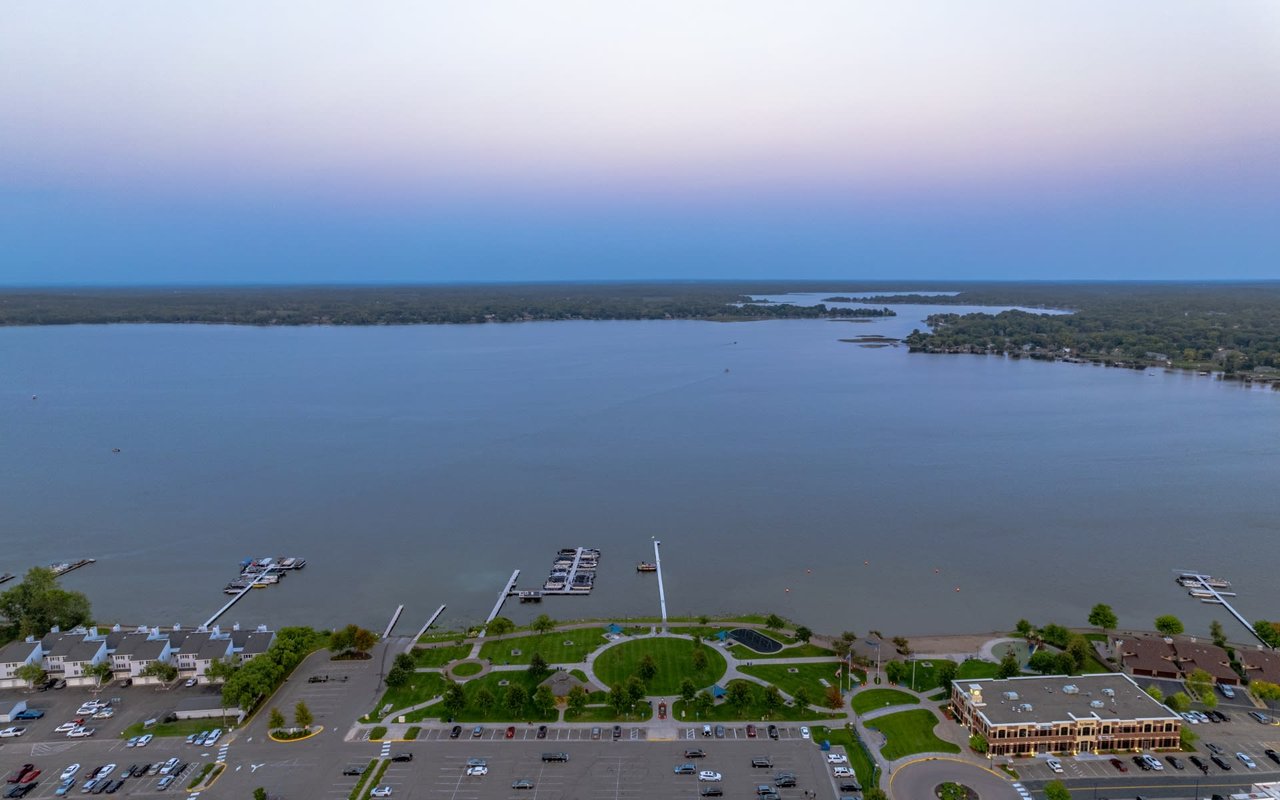
Forest Lake itself spans more than 2,400 acres, and the surrounding chain of lakes creates a recreational infrastructure that attracts residents year-round. That four-season lifestyle appeal is not a soft amenity. It is a hard driver of demand. People want to live here, and the population of Forest Lake and Washington County has reflected steady growth over the past two decades.
Growing population combined with limited new construction relative to demand creates the kind of supply-demand tension that supports both rental rates and property appreciation over time.
The Forest Lake Area School District adds another layer of demand stability. Families with school-age children make location decisions based heavily on school quality, and a strong district creates a built-in base of long-term renters and owner-occupant buyers who anchor neighborhood values even through broader market cycles.
Understanding the Types of Investment Opportunities Available
Forest Lake offers investors a range of property types, each with distinct return profiles, management requirements, and risk considerations. Understanding what is available and how each category performs is essential before you commit capital.
Single-Family Rental Properties
Single-family homes represent the most accessible entry point for new investors in Forest Lake. Newer construction neighborhoods throughout the city offer properties with low maintenance requirements, modern mechanical systems, and strong tenant appeal among families relocating from the metro. Established neighborhoods on larger lots attract long-term renters who value space, mature landscaping, and proximity to parks and recreational amenities.
Rental demand for single-family homes in Forest Lake has remained healthy, driven by families who are not yet ready or able to purchase and professionals who want lake community living without the commitment of ownership. Vacancy rates in well-maintained, appropriately priced single-family rentals in the area have been favorable, and rental rates have moved upward in line with broader regional trends.
For investors, single-family properties in Forest Lake offer a combination of cash flow potential and long-term appreciation that is difficult to replicate in more expensive metro markets where the price-to-rent ratio has compressed returns significantly.
Waterfront and Water-Access Investment Properties
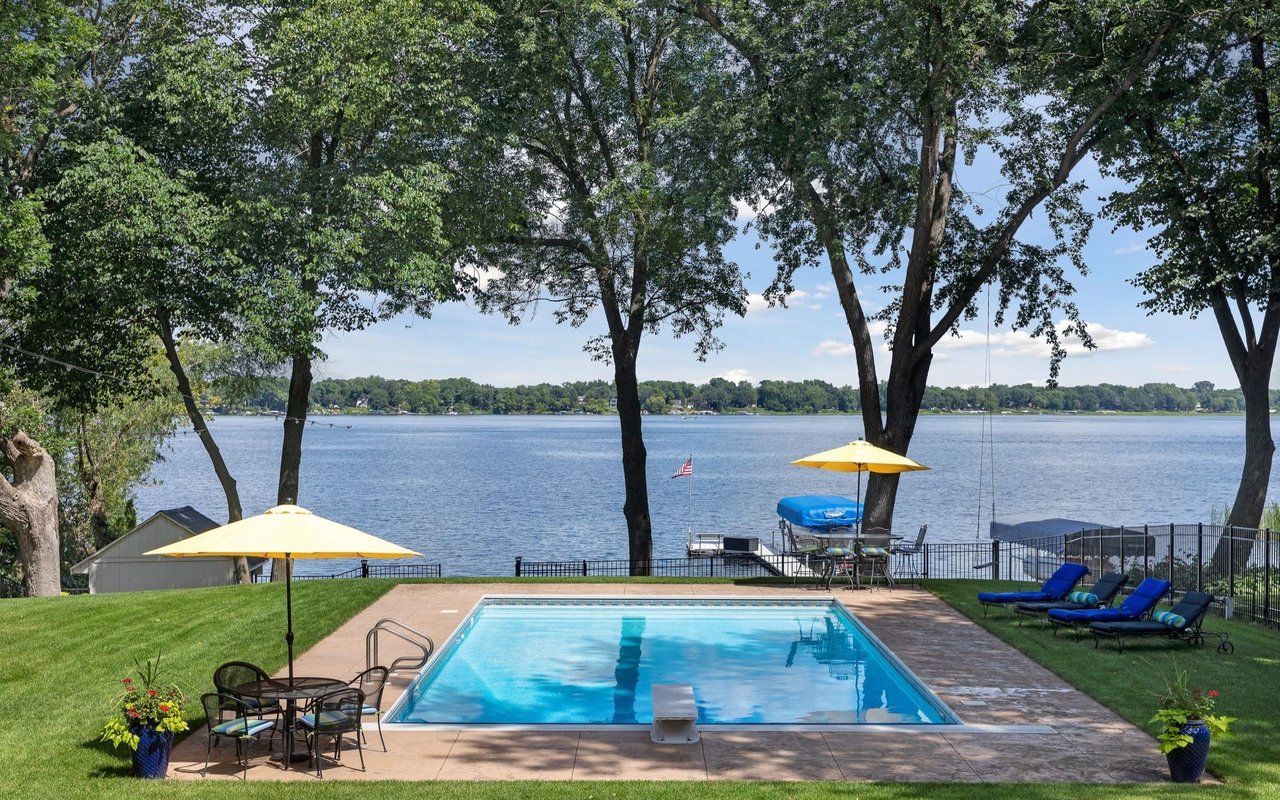
Lakefront and water-access properties on Forest Lake and the surrounding chain of lakes represent a premium investment category with unique characteristics. These properties command significantly higher purchase prices, but they also command significantly higher rental rates, particularly for short-term and vacation rental use during Minnesota's peak summer season.
The short-term rental market in lake communities like Forest Lake has expanded considerably, driven by platforms that connect travelers and vacationers with privately owned properties. A well-located, well-appointed lakefront home can generate meaningful seasonal income that offsets carrying costs and contributes to overall return on investment.
Before pursuing a short-term rental strategy, investors should review Forest Lake's current municipal ordinances governing short-term rentals, as regulations in this category have evolved in many Minnesota communities and compliance is essential.
Long-term rental of waterfront properties is also viable, attracting tenants who place high value on lake access and are willing to pay a premium for it. The Muske Team helps investors evaluate both strategies and model projected returns based on current market data.
Small Multifamily Properties
Duplexes and small multifamily properties in Forest Lake and the surrounding communities offer investors the ability to generate multiple income streams from a single asset. These properties benefit from the same demand drivers as single-family rentals but with the added advantage of income diversification. A vacancy in one unit does not eliminate all cash flow, which reduces the financial risk associated with tenant turnover.
Small multifamily inventory in Forest Lake is limited, which means opportunities require attentive market monitoring and the ability to move quickly when properties become available. The Muske Team works with investors to identify these opportunities before they reach the broader market where possible.
Key Financial Metrics Every Forest Lake Investor Should Evaluate
Successful real estate investment in any market requires discipline around financial analysis. The Forest Lake market is no exception, and The Muske Team consistently guides our investor clients through the metrics that matter most before any purchase decision is made.
Cap Rate and Cash-on-Cash Return
The capitalization rate, or cap rate, measures the relationship between a property's net operating income and its purchase price, expressed as a percentage. It provides a baseline comparison tool for evaluating investment properties independent of financing. Cash-on-cash return measures the annual pre-tax cash flow as a percentage of the actual cash invested, accounting for mortgage payments and making it a more practical measure for leveraged investors.
In the Forest Lake market, realistic cap rates and cash-on-cash returns vary significantly by property type, location, and condition. Investors should approach any analysis with conservative assumptions about vacancy rates, maintenance reserves, and property management costs to arrive at projections that hold up under real-world conditions.
Appreciation Potential
Forest Lake has demonstrated consistent property appreciation over time, supported by population growth, school district strength, recreational appeal, and the relative affordability of the market compared to south and west metro alternatives. For investors with a longer time horizon, appreciation potential is a meaningful component of total return alongside current cash flow.
Waterfront and water-access properties have historically appreciated at a premium compared to inland properties, reflecting the finite supply of lakefront land and the sustained demand for lake living in Minnesota.
Property Tax Considerations
Property taxes in Washington County are a real cost that affects investment returns and must be factored into any financial model. Tax rates vary by municipality and assessed value, and investors should review the current tax history of any property under consideration as well as any pending reassessments that could affect future carrying costs. The Muske Team advises all investor clients to consult with a qualified tax professional familiar with Minnesota real estate taxation before making a purchase.
Working With a Local Team That Understands the Investment Landscape
Real estate investment in Forest Lake rewards buyers who bring local knowledge to their decision-making. Understanding which neighborhoods are appreciating fastest, which property types are generating the strongest rental demand, where new development is planned, and how the regulatory environment is evolving requires the kind of on-the-ground expertise that only comes from consistent, active presence in the market.
The Muske Team brings that expertise to every investor relationship we build. We monitor the Forest Lake market continuously, maintain relationships with other local professionals including property managers, contractors, and lenders familiar with investment property financing, and provide our clients with the honest, data-driven guidance they need to make sound decisions.
We work with investors across the full spectrum of the Forest Lake market, from single-family acquisitions in established neighborhoods to premium waterfront properties with short-term rental potential. We also serve investors looking at the broader north metro and western Wisconsin markets, where similar dynamics are creating comparable opportunities.
Frequently Asked Questions About Real Estate Investment in Forest Lake, MN
Is Forest Lake a good market for out-of-state investors?
Forest Lake can be an excellent market for out-of-state investors, provided they work with a knowledgeable local team and have a reliable property management solution in place. The Muske Team helps out-of-state investors understand the market, evaluate properties remotely, and connect with trusted local management professionals.
What is the typical rental demand like in Forest Lake?
Rental demand in Forest Lake is driven by families, professionals commuting to the Twin Cities, and individuals seeking lake community living. Demand has remained consistent, and well-maintained, appropriately priced rental properties in the area have historically experienced low vacancy rates.
Are short-term rentals permitted in Forest Lake?
Short-term rental regulations in Forest Lake and the surrounding Washington County area have evolved in recent years. Investors interested in a short-term rental strategy should review current municipal ordinances and confirm compliance requirements before purchasing a property for that purpose. The Muske Team recommends consulting with a local attorney familiar with Minnesota short-term rental regulations.
How do I finance an investment property in Forest Lake?
Investment property financing typically requires a larger down payment than owner-occupied financing, generally 20 to 25 percent, and carries slightly higher interest rates. Investors should work with a lender experienced in investment property loans and explore options including conventional investment loans, portfolio loans, and in some cases, cash-out refinancing of existing equity.
What should I look for in a property manager for a Forest Lake rental?
A quality property manager for a Forest Lake rental should have local market knowledge, a transparent fee structure, a documented process for tenant screening, and a reliable network of maintenance and repair vendors. The Muske Team can provide referrals to property managers with proven track records in the Forest Lake and north metro market.
Forest Lake, Minnesota offers real estate investors a market with strong fundamentals, genuine lifestyle appeal, and long-term growth potential that continues to reward buyers who approach it with the right knowledge and the right team behind them. When you are ready to explore what investment opportunities in Forest Lake could mean for your portfolio, we are here to help you evaluate every angle with precision and confidence.
Visit The Muske Team to connect with us and start building your investment strategy in one of Minnesota's most promising real estate markets today.