Wondering how Stillwater neighborhoods really differ once you get beyond the postcard views? If you are trying to choose the right part of town, the names North Hill, South Hill, and west of downtown can sound familiar without telling you much about daily life. The good news is that a few simple distinctions can make your home search much clearer. Let’s dive in.
Stillwater Neighborhoods at a Glance
Stillwater’s neighborhood labels are not always hard legal boundaries. In many cases, they reflect preservation language, neighborhood history, and how the city describes its older residential areas.
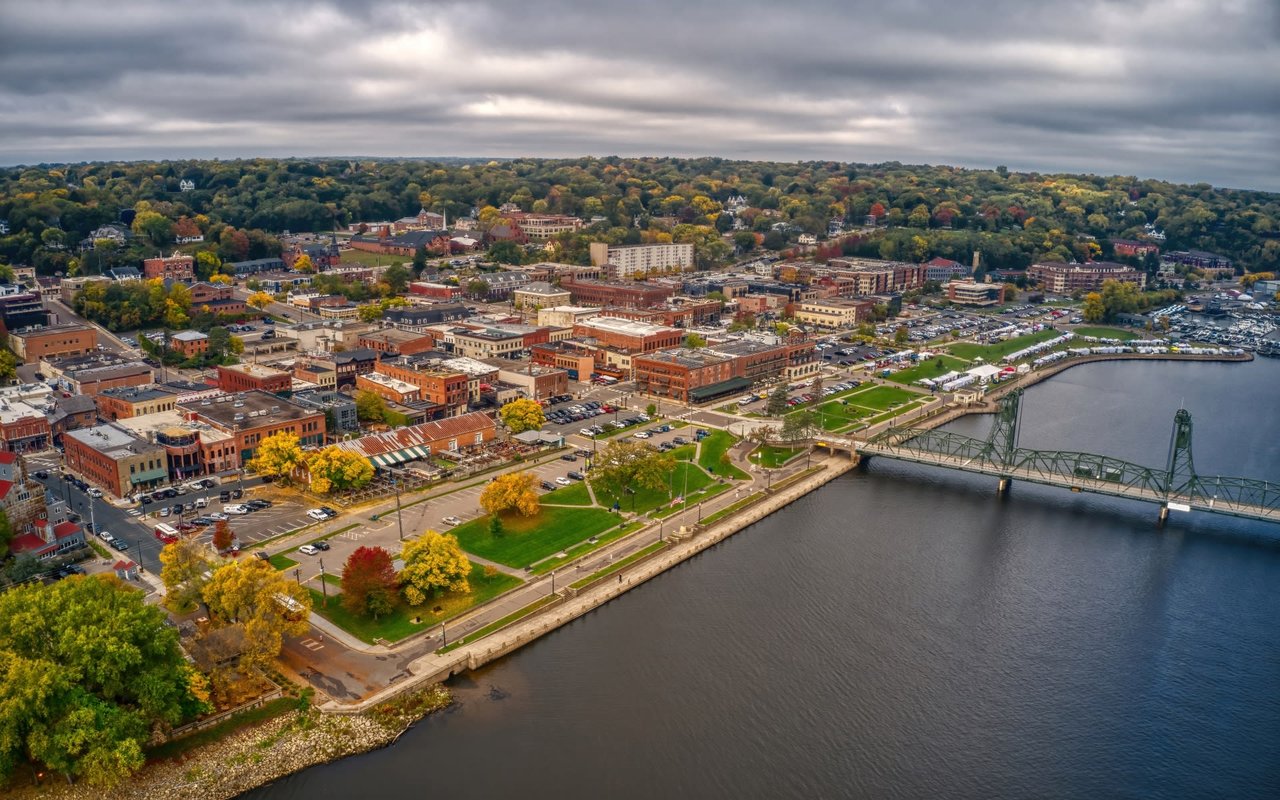
The city identifies the Downtown Commercial Historic District as the only formal historic district. At the same time, planning and preservation materials describe North Hill, South Hill, and West Hill as part of Stillwater’s original older core, shaped by neighborhood conservation and historical context.
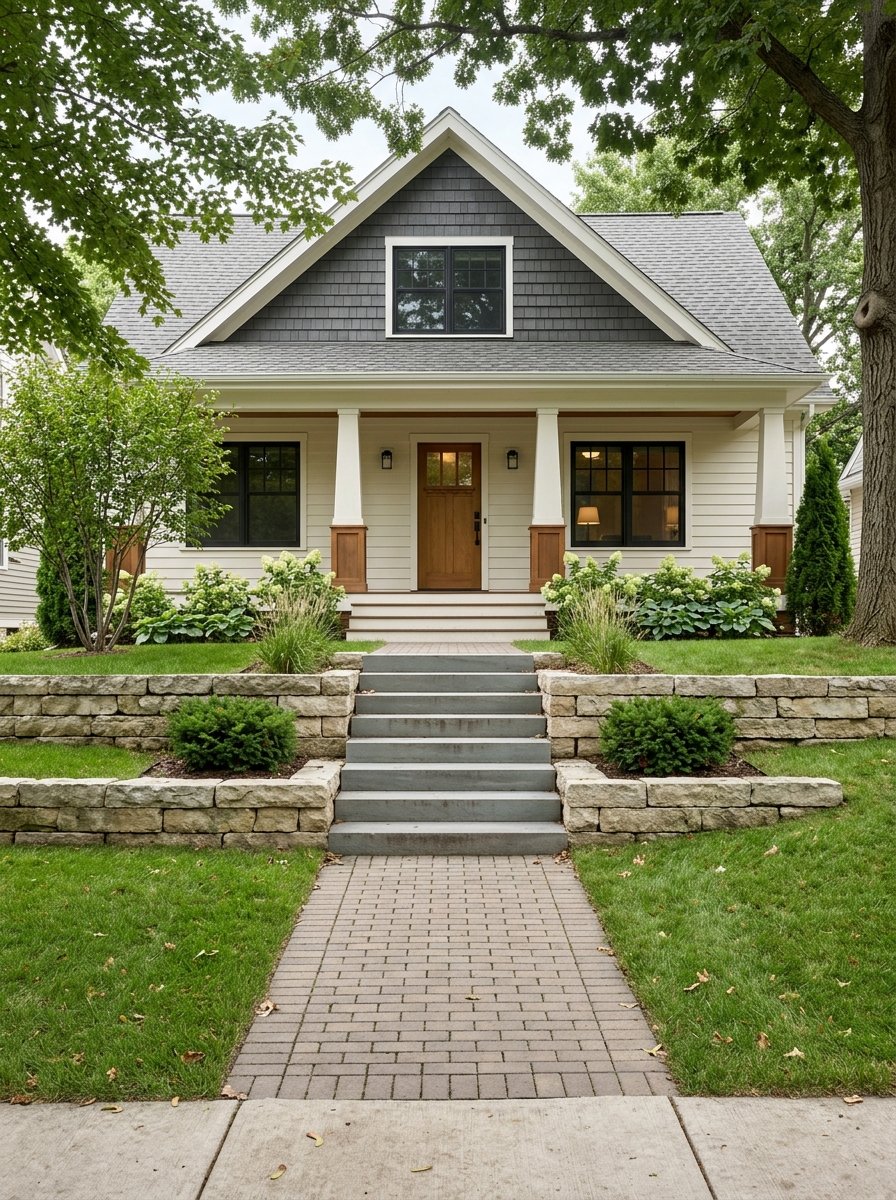
That matters because these areas were built in a different era. City preservation guidelines describe the older neighborhoods as pedestrian-oriented places developed before the automobile, with sidewalks, boulevards, porches, and mature landscaping.
Why the Hill Neighborhoods Feel Different
North Hill and South Hill share a strong connection to downtown, but they do not feel exactly the same. Their topography, development pattern, and housing mix give each area a distinct personality.
If you are comparing them, a useful starting point is this: North Hill often stands out for ridge-side setting and views, while South Hill stands out for its concentration of historic homes and architectural variety. West of downtown, the story shifts toward newer growth and easier road access.
North Hill: Historic Setting and Views
North Hill sits north and west of downtown, bounded by downtown to the east and south, Laurel Street to the north, and Fifth Street to the west. City planning materials describe it as a hill-side residential area with long views toward downtown and the St. Croix River Valley.
That setting is a big part of North Hill’s appeal. If you want a neighborhood that feels closely tied to Stillwater’s original town fabric, North Hill is often one of the clearest examples.
What homes in North Hill are like
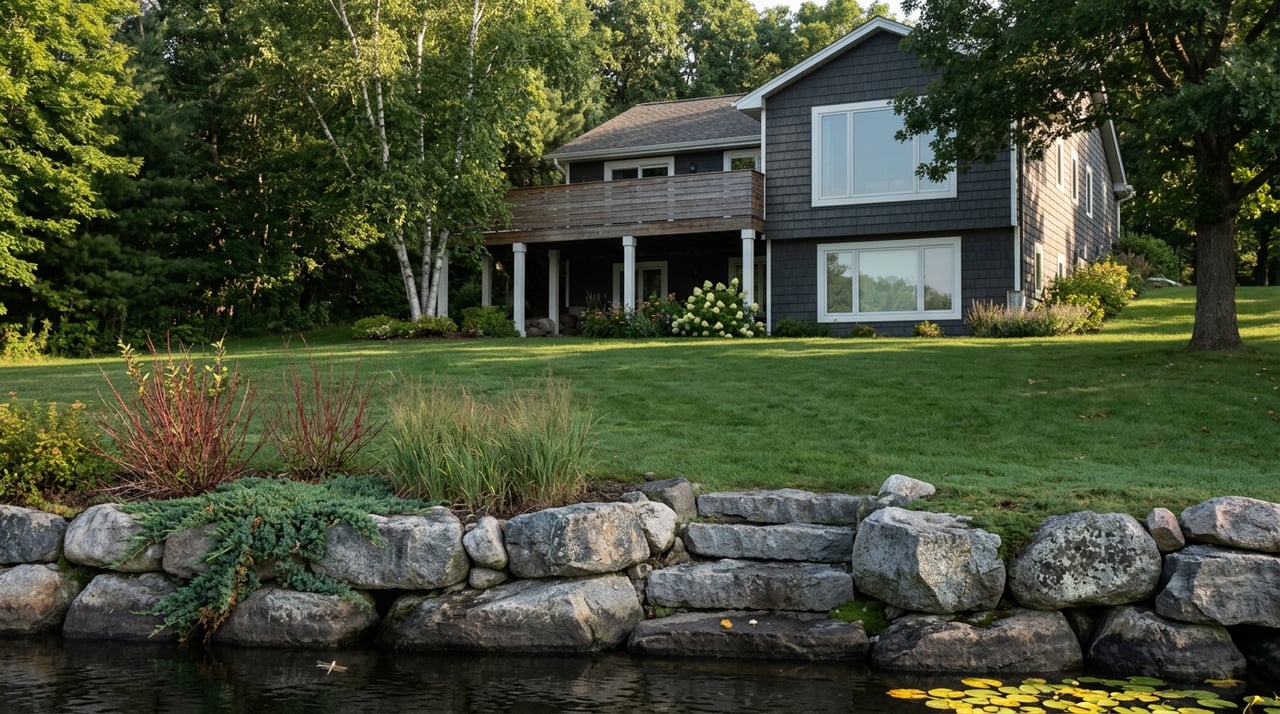
City materials characterize North Hill with historic single-family homes and stone walls. They also note that some larger multi-family buildings and conversions are mixed into the area.
In practical terms, that means you may see a historic streetscape with a little more variety than a single-style subdivision. The neighborhood’s older lot patterns and established character can be part of the draw for buyers who want something with a sense of place.
What North Hill feels like day to day
Because North Hill developed before the auto age and sits close to downtown, it reads as one of the strongest walk-to-downtown options among the hill neighborhoods. Sidewalks, mature landscapes, and the proximity to the central core support that experience.
If your ideal Stillwater lifestyle includes being near downtown activity while living among older homes and established streets, North Hill may be a strong fit. It is often best understood as a classic historic hillside neighborhood rather than a suburban-style layout.
South Hill: Historic Homes and Architectural Variety
South Hill is bounded by downtown to the north and east, Willard Street to the south, and Fourth Street to the west. Historical materials note that in 1894, this area was still a newer part of town, with open lots and only a few nearby houses.
That slightly later development story helps explain why South Hill has its own identity. It still feels connected to downtown, but it carries a distinct architectural character within Stillwater’s historic fabric.
What homes in South Hill are like
The city’s South Hill walking-tour materials describe the area as one of Stillwater’s richest concentrations of historic homes. Featured properties in the tour include examples of Gothic Revival, Queen Anne, Italianate, Second Empire, Stick, Classical Revival, and Craftsman or Exotic Revival styles.
For buyers, that means South Hill can offer a broad range of late-19th-century home styles within a relatively concentrated area. If you enjoy architectural detail and neighborhood history, this is one of the most compelling parts of Stillwater to explore.
What South Hill feels like day to day
South Hill is strongly tied to on-foot exploration. The city’s walking-tour materials use two one-hour loops, and the downtown walking experience extends into the neighborhood.
That creates a sense of connection between South Hill and the broader downtown experience. If you want historic homes and a neighborhood that still feels woven into the heart of Stillwater, South Hill deserves a close look.
West of Downtown: Newer Growth and Access
If North Hill and South Hill reflect Stillwater’s older core, areas west of downtown point toward a different chapter of growth. City materials say development has moved north and west over time, and more recent redevelopment extends beyond the historic hill neighborhoods.
One major example is Central Commons at Manning Avenue and Highway 36. The planned mixed-use development includes a Hy-Vee, a convenience store, a 200-unit apartment component, and related roadway and utility improvements built in phases.
What housing west of downtown may offer
Compared with the older hill neighborhoods, newer west-of-downtown areas generally trend toward a more auto-oriented pattern. By comparison, they are less shaped by 19th-century lot layouts and historic-era constraints.
That can matter if your wish list includes features often associated with newer residential development, such as newer construction, more garage-oriented living, or a broader suburban feel. Buyers who prioritize road access may also find this part of the market appealing.
Trails and everyday convenience
Newer growth does not mean giving up outdoor access. Brown’s Creek State Trail runs 5.9 miles along a generally level former railroad grade and connects with local park and trail systems.
For many buyers, that adds another layer to the west-of-downtown search. You may get a more infrastructure-driven setting while still staying connected to recreation and open-air amenities.
How to Choose the Right Stillwater Area
The best neighborhood for you depends on how you want your home and surroundings to function day to day. Rather than asking which area is best, it helps to ask which area best matches your priorities.
Here is a simple way to frame your search:
- Choose North Hill if you want historic ridge-side homes, long views, and quick access to downtown.
- Choose South Hill if you want a strong concentration of historic architecture and a neighborhood that feels closely tied to Stillwater’s walking-tour experience.
- Look west of downtown if you want newer growth patterns, mixed-use development nearby, and easier road access.
These are broad neighborhood descriptions, not rigid rules. In a market like Stillwater, individual blocks, lot positions, and home updates can shape the experience just as much as the neighborhood label.
What Buyers Should Keep in Mind
Stillwater’s older core is shaped by preservation and neighborhood context, not just by market demand. City materials note that new construction and infill in older areas are reviewed for compatibility in size, massing, and neighborhood character.
That is helpful to understand if you are considering an older home, a renovated property, or a location near infill development. In the historic core, change tends to be guided by context rather than free-form redevelopment.
For buyers, that often supports a stronger sense of continuity from one block to the next. It also means your search should go beyond square footage and price, because neighborhood setting can affect what future changes are likely to look like nearby.
A Smarter Way to Tour Stillwater
When you tour Stillwater, try to compare neighborhoods based on how you actually live. Notice how close you feel to downtown, how the streets are laid out, how much of the area is walkable, and whether the housing style matches your goals.
You may find that one neighborhood fits your priorities right away. Or you may discover that your ideal match is not just a home style, but a combination of setting, access, and how connected you feel to the city around you.
If you want help sorting through Stillwater neighborhoods and matching them to your goals, The Muske Team can help you compare options with local insight and a clear plan.
FAQs
What is the difference between North Hill and South Hill in Stillwater?
- North Hill is often associated with ridge-side historic homes, stone walls, and views toward downtown and the St. Croix River Valley, while South Hill is known for its strong concentration of historic homes and broad range of late-19th-century architectural styles.
Are North Hill and South Hill official Stillwater neighborhoods?
- They are commonly used neighborhood names grounded in city preservation, conservation, and neighborhood-history materials, but they are not the same as a formal citywide zoning label or a single legal district designation.
Which Stillwater neighborhood is closest to downtown?
- Both North Hill and South Hill are closely tied to downtown, and each offers strong access to the central core, especially compared with newer areas farther west.
What are newer residential areas in Stillwater like?
- West of downtown, development generally reflects newer growth patterns, mixed-use projects, and more auto-accessible layouts than the older hill neighborhoods.
Does Stillwater have rules for building in older neighborhoods?
- Yes. City planning and preservation materials indicate that infill and new construction in the older core are reviewed for compatibility with neighborhood context, including size and massing.