Lake Access Options in White Bear Lake Explained: 2026 Guide
Lake access in White Bear Lake falls into three legal categories: riparian lakeshore (direct owned waterfront with private dock rights), deeded access (shared easements or dock association rights), and lake-view homes (water scenery relying on public launches). Legal rights are governed by recorded land records and White Bear Lake Conservation District ordinances, not marketing descriptions.
Access Category | Shoreline Ownership & Rights | Dock Rights & Permitting | Primary Regulatory Governing Body |
|---|---|---|---|
Lakeshore (Riparian) | Direct physical frontage abutting the water | Private dock permitted within Authorized Dock Use Area (Ordinance 5) | MN DNR & White Bear Lake Conservation District |
Deeded Access | Shared access parcel, easement, or HOA arrangement | Community dock association; slip assignments handled by board | Ramsey County Recorder & HOA Association Boards |
Lake View | Water scenery without abutting shoreline ownership | No private dock rights; public launch sites required | City of White Bear Lake & Ramsey County Parks |
Evaluating White Bear Lake properties or verifying deeded water access? Partner with The Muske Team at eXp Realty for local land title guidance.
Quick-Take: White Bear Lake Water Access Overview
Understanding what "lake access" means in White Bear Lake, MN is essential before making a purchase offer. A home may advertise lake proximity or scenic views, but your daily boating and swimming rights depend entirely on recorded legal title documents.
Regulated jointly by the Minnesota Department of Natural Resources (DNR) and the White Bear Lake Conservation District, water rights impact property value, dock dimensions, and long-term resale appeal across Ramsey and Washington counties.
Understanding White Bear Lake Water Access Categories
1. Riparian Lakeshore Homes: Direct Waterfront Frontage
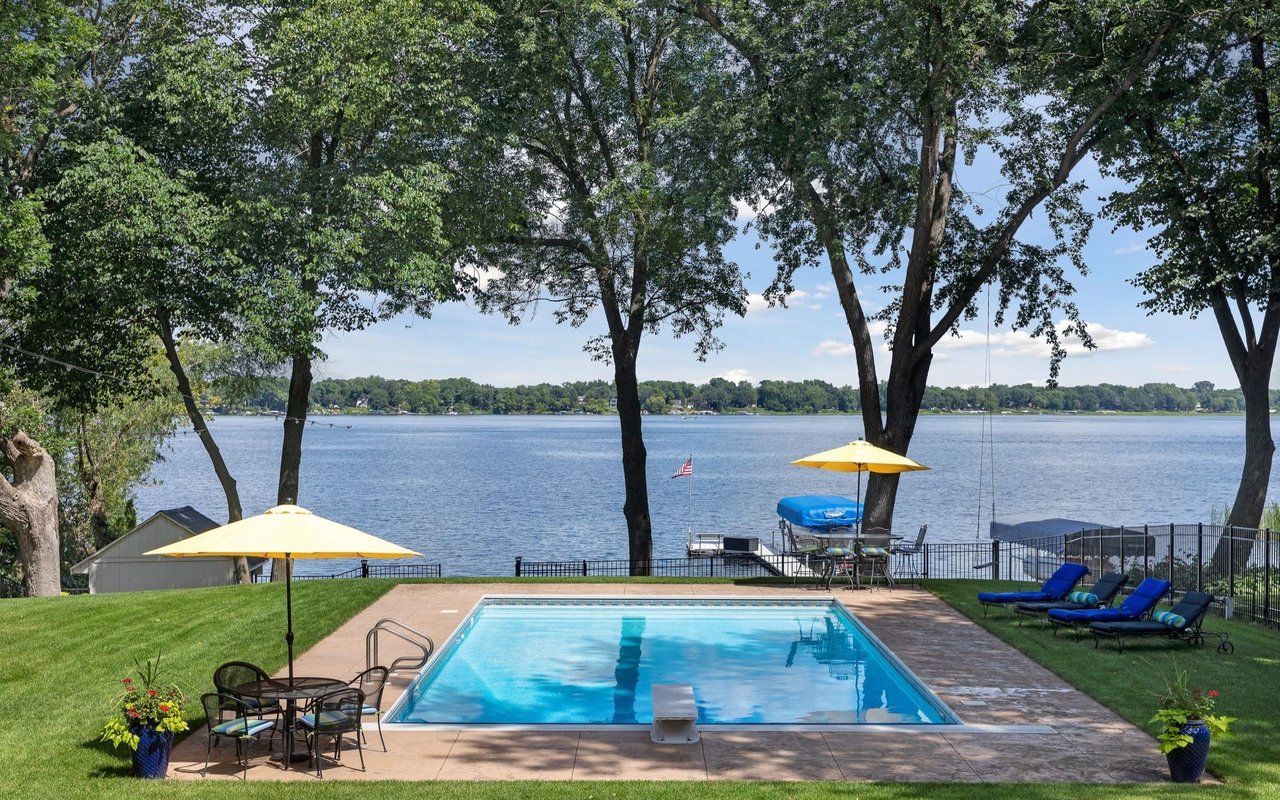
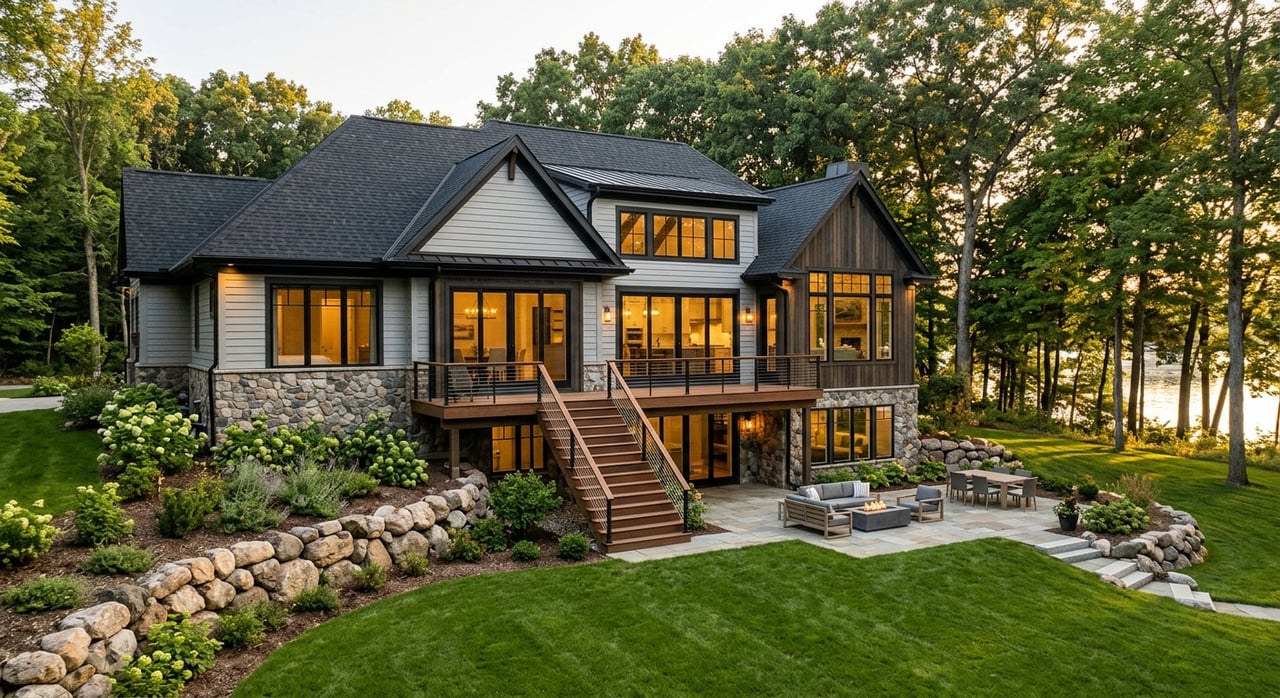
Lakeshore homes sit directly on the water. Under Minnesota water law, owners of land abutting public waters enjoy riparian rights to place private docks and moor watercraft, subject to local ordinances. The White Bear Lake Conservation District (Ordinance 5) defines Authorized Dock Use Areas, typically extending up to 200 feet from ordinary high-water marks.
2. Deeded Access Homes: Shared Easements & Dock Associations
Deeded-access homes do not touch the water directly, but carry recorded legal easements allowing usage of a shared parcel, beach, or dock. For example, the Cottage Park Homeowners Association manages a community dock with berth assignments approved through the Conservation District. Buyers must review recorded plat and HOA documents to verify slip availability.
3. Lake-View Homes: Scenery & Proximity Without Private Rights
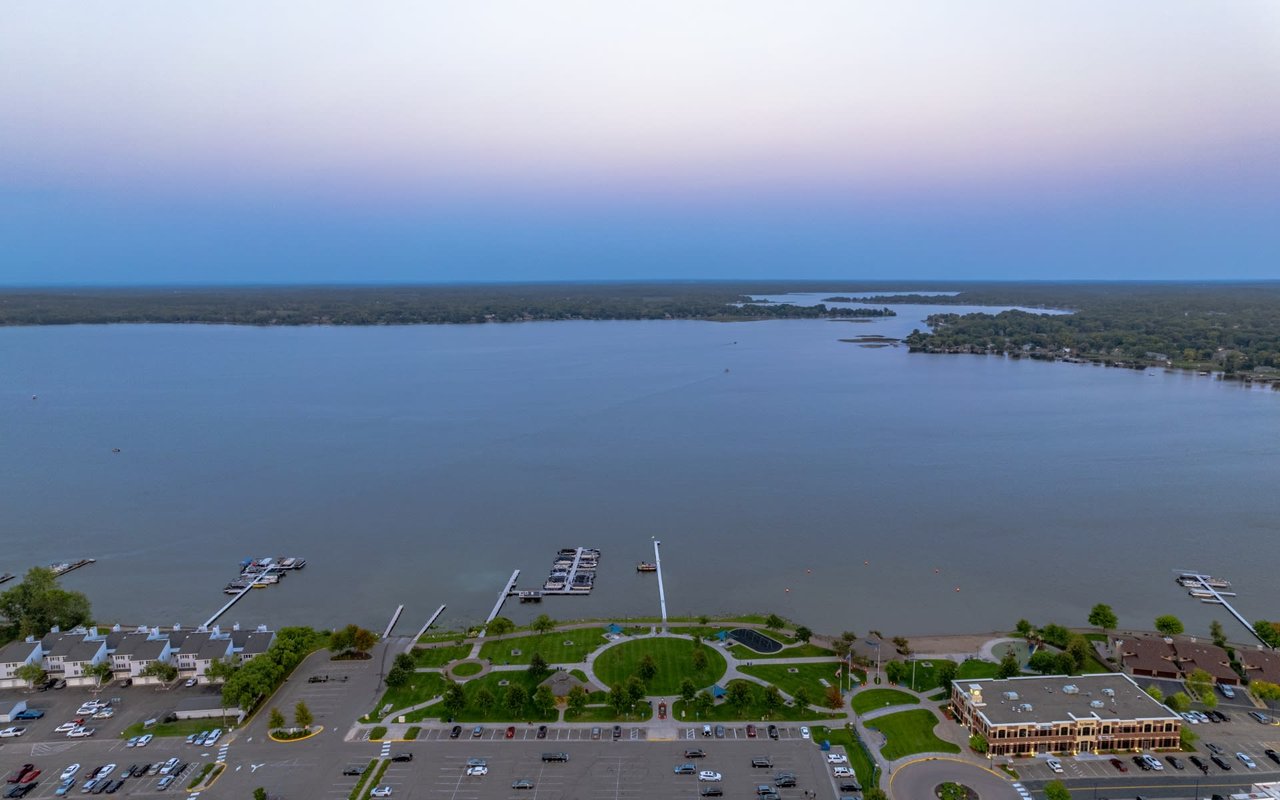
Lake-view homes offer water vistas and neighborhood proximity without private shoreline rights. Owners enjoy the visual appeal of the lake with zero shoreline maintenance costs, relying on nearby public parks and municipal boat launches for water recreation.
Due Diligence Checklist: What to Verify Before Making an Offer
Before making an offer on a property with advertised lake access, buyers should request and review the following documentation:
- Recorded Warranty Deed & Title Policy: Confirm whether water access rights legally run with the land or expire upon transfer.
- Subdivision Plat & Easement Map: Verify the exact location, width, and legal boundaries of shared access pathways.
- HOA Covenants & Dock Bylaws: Review annual association dues, dock maintenance fees, and slip waitlist rules.
- Conservation District Licensing: Ensure existing docks and mooring buoys comply with current district licensing rules.
Water Levels, Seasonal Conditions, and Invasive Species
White Bear Lake's ordinary high-water elevation is 924.3 feet, with a protective elevation of 922.0 feet. Natural water level fluctuations affect dock placement and boat draft depth during dry years. Additionally, buyers should note the presence of Eurasian watermilfoil and zebra mussels, requiring proper boat cleaning protocols.
Public and Fee-Based Access Options on White Bear Lake
Homeowners without private docks have excellent public access options across White Bear Lake:
- Ramsey County Beach: Public swimming beach, picnic grounds, and free public boat launch.
- Matoska Park Boat Launch: City-operated boat launch requiring an annual permit from the City of White Bear Lake.
- White Bear Lake County Park: Public park featuring a deep-water launch, swimming beach, and fishing piers.
- White Bear Docking: Commercial marina offering seasonal slip rentals and boat launch services.
Choosing the Right Water Access Model for Your Lifestyle
Selecting the right home comes down to balancing usage frequency with maintenance responsibilities. Riparian lakeshore provides maximum convenience for active boaters; deeded access offers high value for seasonal lake users; and lake-view homes provide low-maintenance living near downtown amenities.
Real Estate Connection: How Water Rights Shape White Bear Values
In the East Metro real estate market, clear water title documentation is a primary determinant of resale value. Properties with verified dock slips or riparian frontage command strong price premiums.
Partner with The Muske Team at eXp Realty to evaluate lake properties across White Bear Lake, Mahtomedi, Forest Lake, and Stillwater.
Navigate White Bear Lake Real Estate with Confidence
Want expert help verifying deeded access easements or dock association bylaws? Work with The Muske Team at eXp Realty.
Frequently Asked Questions
What does deeded lake access mean in White Bear Lake?
Deeded lake access means the home does not sit on the shoreline, but includes a legally recorded easement or association right to use a shared access parcel, beach, or dock.
Can a lake-view home in White Bear Lake include a private dock?
No. A water view alone does not convey dock rights. Private dock privileges require direct riparian shoreline ownership or a specific deeded easement.
What public lake access options are available on White Bear Lake?
Public access sites include Ramsey County Beach, Matoska Park boat launch, White Bear Lake County Park, and two public fishing piers.
Why should White Bear Lake buyers review recorded documents?
Reviewing recorded deeds and plat maps confirms whether access rights legally transfer to new owners, and reveals association rules, dock waitlists, or annual fees.
Do White Bear Lake dock rules depend only on Minnesota DNR guidance?
No. The White Bear Lake Conservation District enforces local ordinances governing dock dimensions, mooring areas, and Authorized Dock Use limits.
Can water levels affect lake access on White Bear Lake properties?
Yes. Water levels fluctuate seasonally, impacting dock extension length, boat draft clearances, and swimming beach usability.
Explore Related Minnesota Lake Communities & Real Estate Guides
Authored by The Muske Team | eXp Realty
The Muske Team specializes in East Metro lake real estate across White Bear Lake, Mahtomedi, and Chisago County. Guided by licensed Minnesota real estate professionals, the team provides expert title and water rights advisory.
Office: Forest Lake, MN. Learn more on The Muske Team Page.
Source Notes: Lake level data and water guidelines verified via Minnesota DNR Lake ID 62004200. Local dock ordinances verified via White Bear Lake Conservation District regulations as of 2026.