If you are shopping for waterfront property in Forest Lake, you already know one thing: two homes that look similar online can have very different value once you look at shoreline, access rights, and lake position. That can make the market feel exciting, but also hard to read. The good news is that a few local trends can help you make smarter comparisons, move with more confidence, and avoid costly assumptions. Let’s dive in.
Forest Lake waterfront supply is still tight
The broader Forest Lake housing market remains active, but inventory is still limited. Realtor.com's April 2026 snapshot showed 119 homes for sale, a median listing price of $449,900, a median sold price of $437,500, and a median 26 days on market. Listings were also selling at about 99% of asking price.
A separate March 2026 local update from Minnesota Area Realtors showed 57 active listings, 2.2 months of supply, and 20 closed sales, with a median sales price of $415,000. The counts do not match exactly because the data sources use different methods, but the overall pattern is consistent. Forest Lake remains a market where supply is limited and pricing has held in the low-to-mid $400,000s.
For waterfront buyers, that matters even more because the lake-specific inventory is thinner than the broader market. Public listing trackers showed between 18 and 27 waterfront homes available, depending on the source, with only a handful of lake-access options. When inventory is this narrow, the right property type may not come up often.
Waterfront pricing has a wide range
One of the most important trends buyers should know is that Forest Lake waterfront pricing is not packed into one neat band. Public listings show waterfront homes ranging from roughly $425,000 to $2.395 million, with several active properties clustered between about $600,000 and $1.45 million.
Recent examples show why buyers need to expect a broad spread. A waterfront cottage on N Shore Trl N with 92 feet of frontage sold for $450,000 in July 2025. An association-access property on 1st St NE sold for $300,000, while another home on Iden Ave N with association access, deeded access, and dock features sold for $689,502.
That kind of spread tells you something important: “waterfront” is not one pricing category. A home with direct shoreline, a home on a channel, and a home with deeded or association access may all show up in a lake-related search, but they do not compete the same way.
Access type changes value
In Forest Lake, buyers need to look closely at what kind of water relationship a property actually has. Listing language in the market includes terms like lake front, channel shore, association access, deeded access, shared dock, and dock. Those labels are not interchangeable.
A true private shoreline property usually trades differently than a deeded-access home or an association-access home. A channel-front property may also appeal to a different buyer than an open-lake lot, depending on water views, boating convenience, and privacy.
This is where local comparison really matters. If you are evaluating a deeded-access property against direct frontage sales, you may end up overestimating value. If you compare a channel lot to open-lake frontage without adjusting for the difference, you can miss the real market picture.
Basin location matters more than many buyers expect
Forest Lake is not one uniform shoreline. According to an official city planning document, the lake system includes 491 single-family homes on 1st Lake, 178 on 2nd Lake, 277 on 3rd Lake, and about 40 additional single-family homes with deeded access outside homeowners associations.
That matters because each basin and shoreline setting can feel different in how buyers experience it and how the market responds to it. Open-water frontage, quieter shoreline segments, and channel-connected locations can each attract different levels of demand.
When you are comparing listings, the best question is not just, “Is it on Forest Lake?” The better question is, “What type of position on Forest Lake is this, and what rights come with it?” That is often where the real value story starts.
Frontage and shoreline features influence price
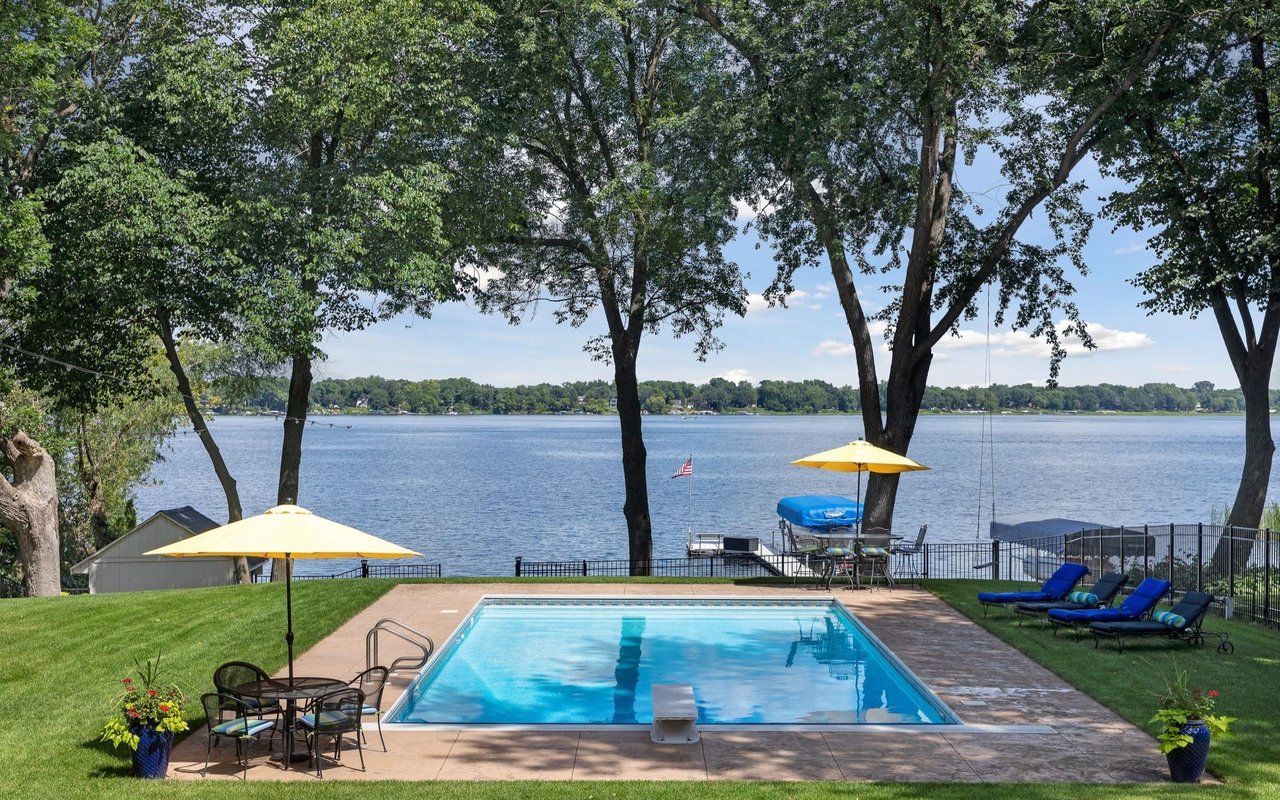
In waterfront real estate, frontage is a major pricing driver, and Forest Lake is no exception. Recent listing examples range from 50 feet of private shoreline to 140 feet of channel frontage. Those differences can have a real impact on price, use, and resale appeal.
More frontage can mean more room for views, dock placement, and outdoor use, but frontage alone does not tell the whole story. Buyers should also consider shoreline usability, water access, and how the lot sits on the lake.
A property with less frontage but better usability may compete well against a larger shoreline count with limitations. That is why buyers benefit from looking past the headline and digging into the physical setup of the lot.
Spring and early summer can move fast
Seasonality is another trend buyers should watch. Forest Lake's monthly updates showed new listings rising from 30 in February 2026 to 54 in March 2026. Closed sales also increased from 13 to 20, and inventory rose from 49 to 57.
That spring ramp-up is important for waterfront buyers because open-water season makes it easier to evaluate shoreline condition, dock usability, and boating access. Even though every property is different, buyers often get a clearer picture once the lake is active and fully visible.
The challenge is that more visibility can also bring more competition. If the right shoreline type appears in spring or early summer, you may need to move quickly because the pool of comparable alternatives is usually small.
Public access can shape buyer perception
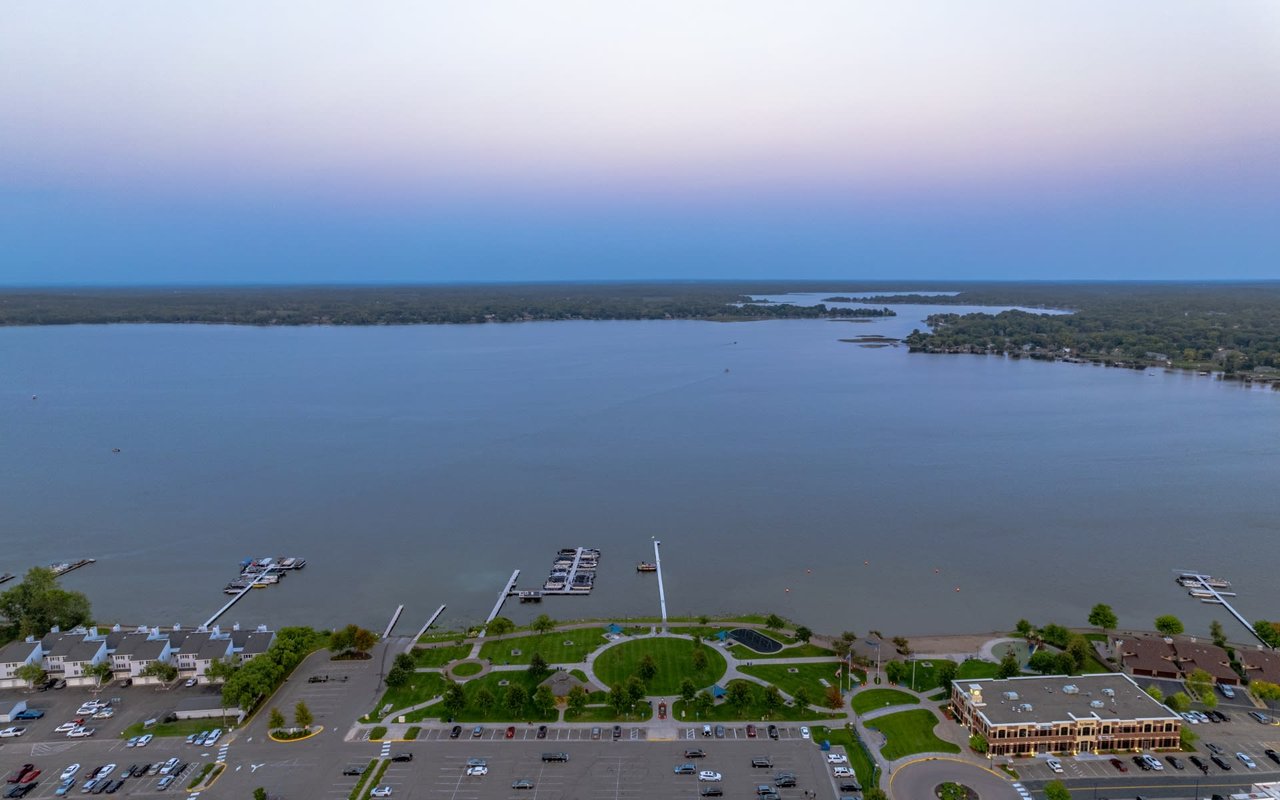
Forest Lake has multiple public and semi-public access points that can influence how buyers think about convenience, privacy, and day-to-day lake use. The Minnesota DNR lists city access on the west shore of 1st Lake, Willow Point Access, 3rd Lake Access, and Timm's Marina as a private launch with a fee. The city also operates Lakeside Memorial Park, which includes a beach, boat dock, and lake access.
These access points do not affect every property in the same way, but they can shape how buyers weigh location benefits. Some buyers value easier public lake access nearby, while others focus more on private use and direct frontage.
This is one more reason broad averages can miss the mark. On Forest Lake, value often depends on how a specific property fits a buyer’s intended use of the lake.
Lake conditions should be part of your buying process
Waterfront value is not just about the house. It is also about how the shoreline functions over time. The Minnesota DNR notes that Forest Lake contains Eurasian watermilfoil, flowering rush, and zebra mussels, and that summer angling can be limited by vegetation growth.
For buyers, that means it is smart to think beyond the showing itself. Shoreline maintenance, dock setup, and seasonal water conditions can all affect your ownership experience.
It is also important to verify dock rules and shoreline permit requirements before closing. If a property’s lake lifestyle is part of why you are buying, you want to confirm that the practical details match your plans.
What buyers should do before making an offer
In a market like Forest Lake, preparation matters. Because inventory is thin and pricing varies so much by shoreline type, buyers benefit from a focused process.
Here are a few smart steps to take:
- Compare only similar properties, such as direct frontage versus direct frontage or deeded access versus deeded access
- Ask about frontage length, dock rights, and whether access is private, shared, deeded, or association-based
- Review basin location and whether the property sits on open lake, channel frontage, or another shoreline setting
- Look closely at lot usability, not just the home itself
- Verify shoreline and dock-related rules before closing
- Be ready to act quickly when a property matches your target shoreline type
The goal is not simply to buy a home near the water. The goal is to buy the right kind of lake property for how you want to live and for how the market is likely to value it later.
Why local waterfront guidance matters
Forest Lake waterfront real estate asks more from buyers than a standard home search. You are not just evaluating square footage and finishes. You are also weighing rights, frontage, location on the lake system, seasonal conditions, and resale position.
That is why local, lake-specific guidance can make such a difference. When you understand how Forest Lake buyers compare direct shoreline, channels, and access-based properties, you can make cleaner decisions and stronger offers.
If you are planning a move on or near the water, working with a team that understands riparian value, local inventory patterns, and lake-specific property differences can help you buy with more confidence. Connect with The Muske Team to talk through your goals in the Forest Lake waterfront market.
FAQs
What are the current Forest Lake waterfront inventory trends for buyers?
- Public listing sources show thin waterfront supply, with roughly 18 to 27 waterfront homes available depending on the source, plus very limited lake-access inventory.
Why do Forest Lake waterfront home prices vary so much?
- Prices vary because buyers are comparing different property types, including direct shoreline, channel frontage, deeded access, and association-access homes, which do not carry the same value.
How important is frontage when buying a Forest Lake waterfront home?
- Frontage is a major factor because length and shoreline setup can affect views, use, dock placement, and resale appeal, but frontage should still be weighed alongside access type and lot usability.
What should buyers verify before purchasing a Forest Lake lakefront property?
- Buyers should confirm dock rights, shoreline permit requirements, access type, and how the lot functions in real-world lake conditions before closing.
When is the busiest season for Forest Lake waterfront listings?
- Spring is typically an active period, with local data showing listings and closed sales increasing from February to March 2026 as the market moves into open-water season.